
Why Flight Prices Change After You Search: Understanding Airfare Pricing from New Zealand

If you’ve ever watched a fare jump between two browser tabs, you’ve already witnessed airfare pricing changes from New Zealand in real time, and it’s one of the most common sources of travel frustration there is. You find a fare, hesitate for a day, come back, and it’s gone up $150 for no obvious reason. It feels personal. It isn’t, mostly. Here’s what’s actually happening behind the number on your screen, and what you can realistically do about it. Airfare Pricing Changes From New Zealand: What’s Actually Driving It Flight prices aren’t set once and left alone. They can change repeatedly throughout the day as airlines adjust fare availability, inventory and pricing based on demand, booking patterns and how far away departure is. Airlines typically make seats available across different fare classes, sometimes described as “booking classes” or inventory buckets, each with its own price and conditions and when the lower-priced inventory in one of those classes sells out, the next available fare is usually higher. Flight prices keep changing throughout the day for this reason alone, long before anyone’s individual browsing habits enter the picture. Add in seasonal demand swings, New Zealand school holidays, Christmas, Chinese New Year and currency fluctuations on international routes, and it’s easy to see why two searches an hour apart can return different numbers without anything sinister going on. Why New Zealand Travellers Notice These Swings More A few things about flying from here make fare movement more visible than it might be elsewhere. The New Zealand dollar moves against other currencies, and on international fares priced or settled in those currencies, that movement alone can nudge a price up or down between two searches. New Zealand is also a relatively small domestic market feeding a handful of long-haul gateways, so a lot of international trips out of Auckland, Wellington or Christchurch involve at least one connection rather than a single flight and every extra leg adds its own inventory and pricing into the mix. On some specific routes, particularly to less-served destinations, having fewer competing carriers can mean fares move more sharply than they would on a route several airlines are chasing the same seats on though that’s route-specific rather than a blanket rule for New Zealand overall. None of this is unique to this country, but the combination is part of why fare movement can feel more noticeable here than on a short domestic hop. So Why Do Flight Prices Keep Changing Every Time You Refresh? The most persistent theory is that airlines track your searches via cookies and raise the price to pressure you into buying. It’s a satisfying explanation, but the evidence doesn’t hold up well. A widely cited 2016 Consumer Reports investigation ran 372 identical flight searches side by side: one browser with cookies intact, one wiped clean and found the price was exactly the same the large majority of the time, with only a small share of searches turning up cheaper or more expensive fares in either direction. Search method Same price as normal browser Cheaper More expensive Incognito / cleared cookies 88% 7% 5% The study didn’t find consistent evidence that airlines simply raised fares because a particular browser had searched for the flight before, fare availability and market conditions remain much stronger explanations for ordinary price changes. So if flight prices keep changing between your searches, the more likely explanation is the market shifting under you, not your browsing history. What Happens When Flight Prices Decrease After Booking Here’s where it gets more genuinely useful to know. Whether flight prices decrease after booking in a way that benefits you depends almost entirely on which fare type you originally bought and this is where a lot of travellers assume they’re simply out of luck, when sometimes they’re not. Fare type If the price drops after booking Basic / Saver Usually limited options, check fare conditions Standard economy Changes may be possible for a fee plus fare difference Flexible fares Greater change/cancellation flexibility, but a price-drop refund isn’t guaranteed There’s no universal rule here the way there is in some markets for cancelling within a short window after booking, international carriers set their own policies, and they’re rarely advertised clearly at the point of booking. If the fare drops after booking, what you can actually do depends on the airline, the fare conditions, and the applicable change and cancellation rules. A flexible fare may give you more room to change or cancel, but that doesn’t automatically mean the airline will refund the difference once a cheaper fare appears. An agent can help you understand the fare rules attached to your booking and explain what options are genuinely available if your plans change or a lower fare shows up. The Real Cost of Changing Flights, Broken Down by Fare Type The cost of changing flights is the other half of this puzzle, and it follows a similar pattern to price-drop refunds. Basic or Saver fares often have limited change options or higher fees that can erase any benefit of changing at all. Mid-tier fares typically allow a change for a set fee plus any difference in the new fare. Flexible and premium tickets are usually built to allow changes with less friction, depending on the airline and fare conditions; part of why they cost more upfront. Fare tier Typical change flexibility Basic / Saver Little to none, or a high fee Standard economy Change fee + fare difference Flex / Premium Free or low-cost changes Knowing the cost of changing flights before you book not after your plans shift is one of the simplest ways to avoid an unpleasant surprise later. Dynamic Pricing vs. Personalised Pricing: What’s the Difference? It’s worth separating two things that get lumped together. Dynamic pricing means prices moving with supply, demand and time to departure, standard airline practice for decades. Personalised pricing is different: a price tailored using information about the individual traveller, rather than general market conditions. The two concepts are not the same, and regulatory approaches to personalised pricing continue to evolve
Dubai to Auckland Flights: What to Know Before Booking

Planning a flight from Dubai to Auckland? Whether you’re visiting family in New Zealand, travelling for business or connecting onward to another destination, a journey this long takes a little extra preparation. From comparing non-stop and connecting flights to checking New Zealand’s entry and biosecurity requirements, there are several things worth sorting out before you book. Here’s what to consider when planning your Dubai–Auckland journey, including flight options, booking considerations and what to prepare before arriving in New Zealand. Understanding the Dubai to Auckland Flight Route The Dubai–Auckland route covers approximately 14,200 kilometres, making it a particularly long international journey. Non-stop flights can take around 16 hours or more, depending on the direction, winds and airline schedule. For example, Emirates currently lists non-stop Dubai–Auckland services, with a scheduled flight time of around 15 hours 50 minutes from Dubai to Auckland. Its return Auckland–Dubai service is listed at around 17 hours 5–25 minutes. Flight times can vary by schedule, operating conditions and season. Not every itinerary on this route is non-stop, though. Connecting flights through hubs in Asia, Australia or the Middle East may take longer overall, but can provide additional departure combinations. Compare the total journey time, connection arrangements and fare conditions before choosing between non-stop and connecting services. Factor Non-stop Connecting flight Total journey time Generally shorter Depends on routing and layover Connections No scheduled stop At least one connection Schedule choice Depends on operating frequency May offer more combinations Fare Compare actual dates May be cheaper on some dates Best suited to Travellers prioritising fewer transit steps Travellers open to alternative routings If you’re considering a connecting itinerary, don’t judge it on the advertised fare alone. A longer connection, different baggage conditions or separate tickets can change the overall value of the trip. When to Book Dubai–Auckland Flights Flight prices on the Dubai–Auckland route depend on travel dates, seat availability, airline schedules and demand. There is no guaranteed booking window that produces the lowest fare for every journey. If your dates are fixed, start comparing options early, particularly around major holiday periods. If you’re flexible, compare fares across several departure dates and check both non-stop and connecting itineraries. Instead of relying on a fixed two-to-four-month booking rule, monitor available fares and compare the total cost, journey time, baggage allowance and fare conditions for your preferred dates. New Zealand school holidays, international holidays, visiting-friends-and-relatives travel, major events and airline schedules can all influence demand. A fare that looks attractive on one date may not be available on the next. New Zealand Entry Requirements: Check Before You Fly Entry requirements depend on the passport you hold and your circumstances. Some travellers need a visitor visa before travelling, while eligible visitors from visa-waiver countries generally need an approved New Zealand Electronic Travel Authority (NZeTA). The NZeTA is valid for two years for eligible travellers. Immigration New Zealand currently lists the cost from NZD $17 through the official mobile app, while the website application costs NZD $23. The International Visitor Conservation and Tourism Levy (IVL) is separate and is currently NZD $100 for most visitors who are required to pay it. Processing can take up to 72 hours, so don’t leave your application until the airport. If you need an NZeTA, you must have it before travelling; travellers without the required NZeTA may be denied boarding. Requirements, fees and eligibility can change, so check the latest information through Immigration New Zealand before booking and again before travelling. New Zealand Biosecurity: What to Declare on Arrival New Zealand has strict biosecurity rules designed to protect its environment, agriculture and wildlife. Travellers must complete the New Zealand Traveller Declaration (NZTD) and provide accurate information about items they are bringing into the country. Food, plant material, animal products and certain outdoor equipment may need to be declared. This can include items that appear harmless, such as snacks, cooking ingredients or used hiking and camping equipment. New Zealand’s Ministry for Primary Industries advises travellers to declare items if they are unsure whether they are permitted. Officers can then assess the items, and some may still be allowed into the country. Failing to declare biosecurity risk goods can result in an NZD $400 infringement fee, including where the failure was accidental. The simple rule is: if you’re not sure, declare it. Single-Ticket vs Separate-Ticket Connections If you’re considering a connecting flight from Dubai to Auckland, check whether the entire itinerary is issued on one ticket or consists of separate bookings. With a single-ticket itinerary, the flights are generally covered by the applicable ticket and airline conditions. However, the exact protection and rebooking arrangements depend on the fare and airline rules. Separate-ticket connections require more planning. You may need to collect and re-check baggage, check in again with another airline, meet different check-in deadlines or arrange your own solution if a delay causes you to miss the next flight. Before booking a low-cost connecting itinerary, check: Whether all flights are on one ticket Baggage allowances for each flight Minimum connection time Airport and terminal changes Visa or transit requirements for the connecting country What happens if a delay causes a missed connection A cheaper fare isn’t necessarily the better-value itinerary if the connection creates additional costs or complications. Comparing Dubai–Auckland Flights Before Booking A long-haul itinerary involves more than choosing the lowest advertised fare. Consider the total journey time, connection arrangements, baggage allowance, fare conditions and what happens if your flight schedule changes. If you’re comparing connecting flights, check whether your itinerary is booked on a single ticket or involves separate bookings. Separate tickets can create additional risks if a delay causes you to miss your next flight. BookMyTrip NZ helps travellers compare available flight options, making it easier to review fares and schedules before making a booking decision. The key is to compare the complete itinerary rather than looking only at the headline fare. Frequently Asked Questions Is there a direct Dubai to Auckland flight? Yes. Non-stop scheduled service is available between Dubai and Auckland. Emirates
Can You Change Your Flight Date After Booking? NZ Traveller’s Guide
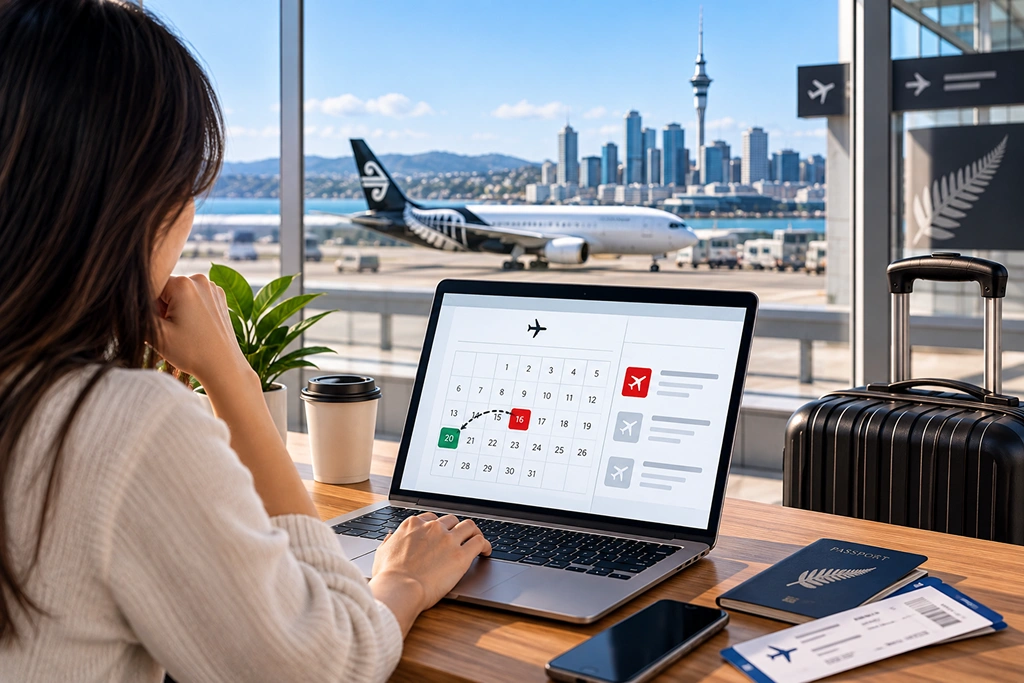
Plans change. A work commitment shifts, a family event moves, or you simply want a few extra days before flying home from overseas. Whatever the reason, one question comes up almost immediately: can you change your flight date after booking, and what’s it actually going to cost you? This NZ traveller’s guide answers that question properly; how flight changes generally work, what to expect fee-wise, and one detail international travellers need to check that most generic guides miss entirely. Can You Change Your Flight Date After Booking? Short answer: usually yes, but it depends entirely on the fare type you originally booked. Most fares fall somewhere between “fully flexible” and “no changes allowed at all,” and the difference between them can mean paying nothing or paying a substantial fee just to modify flight details on an existing booking. This is really the core of this NZ traveller’s guide on changing your flight date after booking, the rules aren’t universal, so understanding your specific fare conditions matters more than any general rule of thumb. How to Change My Flight: The General Process If you’re wondering how to change my flight after booking, the process typically follows a similar pattern regardless of where you booked: Locate your booking reference and check your fare conditions (usually in your confirmation email) Check whether your fare allows changes, and if so, whether there’s a fee attached Confirm seat availability on your preferred new date, a change request doesn’t guarantee the exact new date is available at the same fare Pay any change fee plus fare difference, if the new date is priced higher Receive updated confirmation with your new travel dates The tricky part is usually step 2 and step 3, working out what your fare actually allows and finding genuine availability on your new date without unexpectedly paying far more than your original ticket cost. Change Fee vs Fare Difference: What’s the Difference? This is one of the most important things to understand before changing your flight date. A flight change can involve both a change fee and a fare difference. The change fee is the amount the airline or booking provider charges for modifying your existing ticket. The fare difference is the difference between the price of your original flight and the price of the new flight. For example: Original ticket: NZ$900 Change fee: NZ$100 New flight: NZ$1,050 Fare difference: NZ$150 Total additional cost: NZ$250 So, even though your original ticket cost NZ$900, changing to the new flight could require an additional NZ$250. If the new flight is cheaper than your original booking, the outcome depends on the airline’s fare rules. You may receive a credit, refund, or no refund for the difference, depending on the conditions attached to your ticket. Always check the total cost of the change — not just the change fee — before confirming a new flight date. Understanding Fare Types Before You Modify Flight Details Not all tickets are created equal, and this is where most surprises happen. Here’s a general comparison of how fare types typically behave when you want to modify flight dates: Fare Type Change Allowed? Typical Change Fee Fare Difference Applies? Basic / Saver Rarely, or very limited High, sometimes close to ticket value Yes, in full Standard / Flexi-Saver Usually yes Moderate (roughly NZ$50–$150) Yes Fully Flexible Yes Often free or minimal Sometimes waived Premium / Business Yes Usually free or low fee Sometimes waived (These are general industry patterns, not universal rules, always check your specific fare conditions before assuming what applies to your ticket.) The Detail Most Guides Miss: Visa and Travel Authorisation Timing Here’s something that catches out a lot of first-time international travellers: a flight date change and a visa or travel authorisation date aren’t automatically the same thing. Many international destinations require either a visa or an electronic travel authorisation, and these are typically issued for a fixed validity window set at the time of approval, not tied to a specific flight date. Push your trip back a few weeks after already receiving an ETA, eVisa or similar authorisation, and there’s a chance your new travel dates fall outside the window that was actually approved. Before you modify flight dates on an international trip, it’s worth checking two things side by side: whether your fare allows a change, and separately, whether your visa or travel authorisation still covers your revised dates. These are two completely different sets of rules, issued by two different organisations, and assuming one automatically follows the other is exactly where travellers get caught out. Always confirm current requirements directly with the relevant destination’s official immigration authority rather than relying on your original approval date alone. Why Managing a Flight Booking Yourself Gets Complicated Technically, you can manage booking flight changes yourself directly, but in practice, this often means navigating fare rules, checking availability, and calculating fare differences without much guidance on which option is genuinely worth paying for. This is exactly the situation where booking through a travel agent, rather than doing it alone, tends to pay off. BookMyTrip’s team can help you understand your fare conditions before you commit to a date change, compare whether rebooking or absorbing a fee makes more financial sense, and help you understand the practical implications of changing your travel dates. Rather than manage booking flight changes solo through unfamiliar fare rules, having someone confirm the actual cost and impact before you commit removes a lot of the guesswork. What the Data Says About Flight Changes Industry booking data consistently shows that a meaningful share of leisure travellers end up adjusting their travel dates after booking, most commonly due to work commitments, family events, or simply securing a lower fare early and refining exact dates later. This is precisely why understanding your fare’s change conditions upfront, before you even need to modify flight dates, saves both time and money down the track. Quick Checklist Before Changing Your Flight Date Before changing your flight date, check: Changing your
7 Countries Easy to Visit from New Zealand 7 Easy International Destinations to Visit from New Zealand
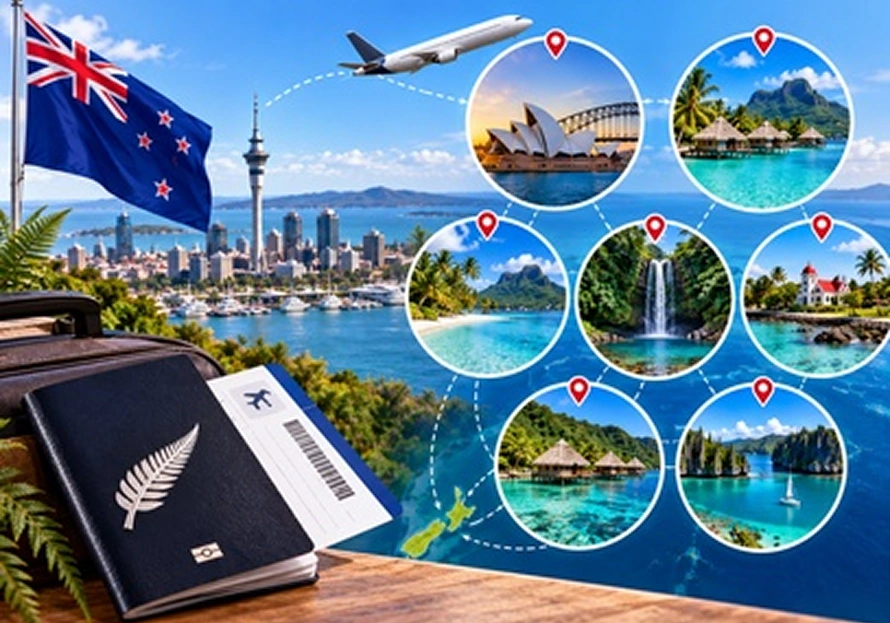
If you’ve ever sat with a map open and wondered where you can get to from New Zealand without a 30-hour journey or a pile of visa paperwork, you’re not alone. Fortunately, several international destinations are only a few hours away and offer relatively straightforward entry for New Zealand passport holders. For people who travel through New Zealand regularly for work, family visits or holidays, having a few nearby international options can make planning much easier. Shorter flight times, manageable time differences and relatively simple entry requirements mean some destinations work particularly well for quick getaways. This guide looks at seven easy international destinations to visit from New Zealand, what makes each one accessible and what to check before booking your flight. What Makes a Destination Easy to Visit from New Zealand? Before looking at the destinations, it helps to define what “easy” means. Three factors are particularly important: Flight time: Shorter and, where available, direct flights make a destination easier to reach. Entry requirements: Straightforward visa or entry arrangements can reduce pre-travel paperwork. Practicality: Minimal time-zone differences and simple travel logistics can make short trips more manageable. These factors can make a significant difference when comparing the different countries to visit from New Zealand, particularly if you only have a few days available. 1. Australia Australia is one of the most obvious international destinations for New Zealand travellers, and for good reason. Auckland to major Australian cities such as Sydney, Melbourne and Brisbane can take around 3–4 hours, making Australia practical for everything from a weekend break to a longer holiday. New Zealand citizens may be eligible for Australia’s Special Category Visa (subclass 444), which is generally granted on arrival when the relevant requirements are met. Because immigration conditions can change, travellers should confirm the latest requirements with Australia’s official immigration authorities before departure. Best for: City breaks, family visits, shopping and longer holidays Why it’s easy: Short flight times and straightforward entry arrangements for eligible New Zealand citizens BookMyTrip tip: If your dates are flexible, compare flights across nearby departure dates. Even on short international routes, fares can vary depending on demand and travel periods. 2. Fiji Fiji has long been a favourite Pacific destination for travellers from New Zealand. From Auckland, flights can take around 3–3.5 hours, making it a realistic option when you want a tropical break without spending most of your holiday travelling. New Zealand passport holders can generally enter Fiji without arranging a visa in advance for eligible tourist visits. Entry conditions and permitted stay periods can change, so check Fiji’s current immigration requirements before travelling. With beaches, resorts and island activities, Fiji works particularly well for travellers looking for a relaxing holiday close to New Zealand. Best for: Beach holidays, resorts, couples and family trips Why it’s easy: Short flight time and generally straightforward entry for NZ passport holders BookMyTrip tip: Pacific fares can change significantly around New Zealand school holidays, so compare dates early if your travel schedule is fixed. 3. Cook Islands The Cook Islands is a self-governing country in free association with New Zealand and is one of the most convenient Pacific destinations for New Zealand travellers. A flight from Auckland to Rarotonga takes roughly 4 hours, giving travellers access to a tropical island destination without a particularly long journey. Entry formalities are also relatively straightforward for New Zealand citizens. The Cook Islands can be particularly appealing when you want a slower-paced holiday, with beaches, lagoons and outdoor activities forming a major part of the experience. Best for: Island escapes, beaches, couples and relaxed holidays Why it’s easy: Around a 4-hour flight from Auckland with relatively simple entry formalities BookMyTrip tip: Compare flights on surrounding dates before booking. A small change to your departure date can sometimes give you more choice or better fares. 4. Samoa Samoa is another Pacific destination that can be reached relatively quickly from New Zealand. Flights from Auckland take around 4 hours, making it suitable for both holidays and family visits. New Zealand passport holders can generally travel to Samoa without arranging a visitor visa in advance for eligible visits, subject to Samoan entry requirements. Because permitted stays and entry conditions can change, travellers should check the latest information from Samoan immigration authorities before departure. Samoa combines beaches and natural scenery with a strong Polynesian cultural experience, making it different from a conventional resort-focused holiday. Best for: Cultural experiences, beaches, family visits and nature Why it’s easy: Short flight from Auckland and generally straightforward entry arrangements BookMyTrip tip: Check multiple travel dates when comparing flights, particularly around school holidays and major public holidays. 5. Tonga Tonga is another nearby Pacific option, with flights from Auckland taking roughly 3 hours. That makes it one of the shorter international journeys available to New Zealand travellers. Entry requirements apply to all travellers, and New Zealand passport holders should confirm the latest visa and stay conditions with Tongan immigration authorities before travelling. Tonga can be a good choice for travellers who want a quieter Pacific experience, with opportunities to explore beaches, islands and local culture. Best for: Island holidays, nature, whale-watching and a quieter getaway Why it’s easy: Around 3 hours from Auckland BookMyTrip tip: If you’re travelling during a busy holiday period, compare flight availability early because capacity on Pacific routes can be more limited than on larger international routes. 6. Vanuatu Vanuatu is around 3.5 hours from Auckland and offers another relatively accessible Pacific escape. New Zealand passport holders are among the nationalities exempt from a visitor visa, although travellers still need to meet Vanuatu’s entry requirements. These can include passport-validity requirements, return or onward travel and accommodation or local-address information. With beaches, outdoor activities and a less urbanised atmosphere than some other Pacific destinations, Vanuatu can appeal to travellers looking for a more relaxed island experience. Best for: Beaches, adventure, outdoor activities and quieter holidays Why it’s easy: Short flight from Auckland and visa-exempt access for eligible NZ passport holders BookMyTrip tip: Don’t look at the fare alone. When comparing flights, check baggage allowances, schedules and fare conditions as well. 7. New Caledonia New Caledonia is a French territory in the Pacific rather than an independent country, which is another reason why “international destinations” is a more accurate description for this list. The destination is roughly 3 hours from Auckland, making it one of the more accessible international Pacific options. New Zealand passport holders do not require a short-stay visa for New Caledonia for stays of up to 90 days, subject to the applicable entry conditions. New Caledonia offers a different experience from many other Pacific destinations, combining French influences with Melanesian culture,
Where to Travel in November 2026 from New Zealand

November is one of those rare months where half the world seems to hit its best weather window at once. If you’re wondering where to travel in November from New Zealand, you’re in luck; this month sits in a sweet spot on the travel calendar. Cooler and more comfortable in the Middle East, and springtime in South America. That combination usually means better weather, thinner crowds, and often better prices than you’d get in the summer peak. So instead of scrolling ten different sites, here’s one practical, no-jargon guide to the best overseas destinations in November for Kiwi travellers. Why November Works So Well for New Zealand Travellers November falls right after New Zealand’s own shoulder season kicks off, which means many Kiwis are already thinking about their next overseas trip before the summer rush at home. It’s also a genuinely good window globally: November is a good month to explore parts of Southeast Asia, although weather conditions vary by country and region. Thailand generally moves into its cooler, drier season, while Vietnam can still experience wet weather in central areas. The Middle East cools down from its brutal summer heat, making sightseeing far more pleasant. South America flips into spring, with mild temperatures and blooming cities. If you’re trying to figure out where to travel in November from New Zealand, these seasonal patterns are the best starting point, they show you where the weather is working in your favour, not against you. Southeast Asia: Better Weather in Many Regions By November, the rains have mostly cleared across Thailand and Vietnam, leaving the countryside at its most photogenic. Rice terraces in the northern hills of both countries are vivid green, and visibility is generally much better for sightseeing than during the wetter months. Cambodia’s temples of Angkor are also worth considering, cooler, drier air makes exploring the ruins far more comfortable than during the hot season. Flights from New Zealand to this region typically route through Australia or Singapore, so it’s worth comparing a few options before booking, since layover length can vary a lot between carriers. Bangkok: Cool Season Kicks Off Thailand’s capital shifts into its “cool season” right around November, marking the end of the rains. Days are pleasant enough for temple-hopping and wandering through the Grand Palace grounds, while evenings are ideal for the open-air night markets Bangkok is famous for. It’s a strong pick if you want a mix of culture, food, and city energy without the heavy humidity of earlier months. Dubai: One of the Best Times of Year to Visit Dubai is widely considered one of its most comfortable months, with lower humidity and cooler temperatures making outdoor sightseeing (and beach time) far more enjoyable. If your dates line up, Dubai also hosts Dubai Design Week this month, with exhibitions and events across the city. For New Zealanders, it’s often used as a stopover en route to Europe, which can make a multi-stop itinerary genuinely worthwhile rather than just a long layover. South America: Spring Without the Summer Crowds November marks spring in the Southern Hemisphere, bringing mild and increasingly pleasant conditions to Argentina and Chile before the peak summer season. Buenos Aires is particularly appealing at this time of year, with jacaranda trees in bloom and comfortable conditions for sightseeing. It can also be a good time to explore Patagonia, although weather conditions can vary by location and should be checked before planning outdoor activities. Antarctica: The Expedition Season Begins If you’re after something further off the beaten path, November marks the start of the Antarctic expedition cruise season, as warming temperatures allow ships to begin navigating toward the Antarctic Peninsula. It’s a niche trip, but one worth knowing about if a bucket-list adventure is on your radar. Comparison Table: November Destination Snapshot Destination Why November Works Trip Style Typical Flight Route from NZ Thailand Cool season begins, with generally more comfortable conditions across many northern, central and Andaman-coast destinations. Culture, beaches, food, nature Via Australia or Singapore Vietnam – North Generally comfortable temperatures and favourable conditions for exploring cities and landscapes. Culture, food, history, nature Via Singapore, Malaysia or Australia Vietnam – Central Can still experience wet weather and heavy rainfall, so check local conditions before planning. Culture, heritage, food Via Singapore, Malaysia or Australia Vietnam – South Warm weather with different rainfall patterns from northern and central Vietnam. Beaches, food, cities, culture Via Singapore, Malaysia or Australia Cambodia (Angkor) Cooler, drier conditions for temple visits History, sightseeing Via Bangkok or Singapore Dubai Cooler, less humid weather and a range of seasonal events City break, stopover, beach Usually 1–2 connections via Australia, Asia or another major hub Buenos Aires Spring blooms, mild weather, fewer crowds City break Via the US or a hub city Patagonia (Chile/Argentina) Mild spring conditions for hiking Outdoor adventure Via Santiago or Buenos Aires Antarctica Start of expedition cruise season Bucket-list expedition Via Argentina or Chile A Few Honest Trade-Offs No destination is perfect for everyone: Southeast Asia can still see occasional showers post-monsoon; pack accordingly. Dubai’s pleasant weather makes it a popular month, so accommodation can book out early. Patagonia’s spring weather is mild but changeable; layers are essential. Antarctica trips are a big investment of time and budget, with limited cabin availability given the short season. Weighing these against your own travel style is the fastest way to answer where to travel in November from New Zealand for your specific trip. How to Plan It from Here Once you’ve narrowed down your best overseas destinations in November, the next step is comparing flight options rather than booking the first price you see. Routes, layover times, and fares can vary significantly between airlines and stopover cities, especially from New Zealand where most long-haul routes involve at least one connection. This is where BookMyTrip comes in, we help New Zealand travellers compare flight deals and find the right fare for wherever November takes them, so the planning part stays simple. What New Zealand Travellers Should Consider When planning a November trip from New Zealand, compare more than just the airfare. Auckland usually has more international options, while Christchurch and Wellington may require additional connections. Check connection times, total journey duration, baggage allowances and overnight layovers before booking. Many routes connect through Australia or Asia, so compare the complete itinerary. Also check transit visa requirements for every country on your route. If you have a long layover, consider whether a stopover could make the journey more worthwhile. FAQs Is November a good time to travel from New Zealand? Yes, generally. It aligns with shoulder
First International Trip from NZ? A Complete Flight Booking Checklist

Planning your first international trip from New Zealand can feel overwhelming, especially when you’re booking international flights for the first time. From checking passport validity and visa requirements to comparing flight times, baggage allowances and connections, this international flight booking checklist covers what to check before you book and before departure. That’s a different problem. Booking an international flight from New Zealand for the first time comes with a string of small decisions most travellers only learn by making a mistake first: which flight actually saves you time, whether your passport is fine, what a “connection” really means once you’re standing in a foreign airport at 6am. This is the checklist version of that experience, laid out the way you’ll actually think about it, from six months out to the night before you fly. 6 Months to Go: Get the Big Decisions Right Right now, your questions are broad: where, when, and can I actually book this yet? Start with your passport. Before anything else, check the expiry date. Passport and entry requirements differ by destination, and sometimes by whichever country you’re transiting through, so this isn’t something you can generalise. The New Zealand Department of Internal Affairs has current processing times if yours needs renewing, and renewals can take longer than people expect, especially leading into peak travel periods. Once your passport is sorted, the next question follows naturally: do you need a visa, or just an electronic travel authorisation? Some destinations require nothing more than a simple online form completed in minutes; others need a formal visa application weeks in advance. With documents sorted, you can finally think about when to fly. Seasonality matters more for some destinations than others – school holidays, shoulder seasons, and major events all shift pricing and availability. So the more useful habit is comparing fares over a few weeks rather than booking on the very first search. Now you’re ready to actually look at flights and this is where the real decisions start. A search will usually show you a spread of options, and the cheapest one at the top isn’t automatically the best one. Before booking, it’s worth comparing: Total journey time, not just the flight time Number of stops and how long each connection actually is What baggage is included in the fare Arrival time at your destination (a red-eye arrival changes your first day) Whether you’re changing airports during a connection Whether it’s a single ticket or a self-transfer between separate bookings Fare conditions – what happens if your plans change This is exactly the stage where a bit of guidance is genuinely useful. BookMyTrip NZ helps travellers compare international flights from New Zealand to destinations around the world, not just on price, but on the things that actually affect your trip, like layover length and baggage inclusion. Once you’re comfortable with an itinerary, that’s when you book. 3 Months to Go: Turn Your Flight into a Travel Plan Your flight is booked. The relief lasts about a day, and then a new question shows up: what happens next? Start by rechecking the basics on your confirmation – your name exactly as it appears on your passport, travel dates, departure and arrival airports, flight numbers, and connection details. If your trip includes a connection, this is when it’s worth understanding exactly what kind of connection you have. On a single ticket booked as one itinerary, your baggage is typically checked through to your final destination, and you may not need to collect it during a short layover, though this depends on the airports and airlines involved. If you’ve booked two separate tickets (sometimes called a self-transfer), you’ll usually need to collect your bags, clear any required checks, and check in again yourself, which changes how much time you should build into that layover. From there, the practical questions follow: what’s actually included in your fare? Checked baggage allowance, whether seats are pre-assigned or need selecting, meal options on longer sectors, and importantly what the change or cancellation conditions are if your plans shift. 1 Month to Go: Sort Out the Details A month out, the big decisions are done. Now it’s the smaller, easy-to-forget details that matter and this is the stage that quietly prevents most departure-day stress. Recheck your passport and entry requirements one more time. If your destination or transit country has any entry conditions tied to timing (like a visa that needs to be used within a certain window), this is the moment to double-check you’re still within it. If you haven’t already, choose your seats and add any meal requests or assistance needs through your airline’s site or app. Then turn to baggage, check both your checked and cabin baggage allowance, including weight and size limits, since these vary by airline, fare type, and sometimes by aircraft. BMT Travel Tip: Screenshot or save digital copies of your booking confirmation and travel documents somewhere accessible without wifi, airport connectivity isn’t always reliable, and having offline access saves genuine stress if you need to show something quickly. 1 Week to Go: Switch from Planning to Flying Mode At this point, the mindset shifts. You’re not planning anymore, you’re getting ready to actually fly. Reconfirm your flight schedule directly with your airline or through your booking. Schedules can shift, even slightly, and it’s worth knowing before you leave home rather than at the airport. If your departure airport has terminal information available in advance, check which terminal you’re flying from, this matters more at larger airports with multiple terminals. Now’s the time to actually weigh your bags rather than estimate. Check what’s restricted in carry-on, liquids, certain electronics, and other items are covered by New Zealand Aviation Security (Avsec) guidelines. Save your essential documents somewhere you can access them offline, sort out how you’re getting to the airport, and check your airline or airport’s guidance on arrival time. 1 Day to Go: The Final Check The night before, the questions get very specific and very practical. Have I forgotten anything? Here’s the answer, laid out so you can run through it once and stop worrying. BMT Night-Before International Flight Checklist Category Check Check-in Complete online check-in if available; save or print boarding pass Flight status Confirm there are no schedule changes Documents Passport, visa/travel authorisation, printed or digital confirmations Money Cards, any foreign currency, travel insurance details Devices Phone and devices charged, chargers and permitted power banks packed Health Medication packed with documentation if required Baggage Final weight check on checked and carry-on bags Carry-on liquids Packed within permitted limits Transport Airport transfer or parking confirmed Timing Alarm set with enough buffer before your recommended arrival time Run through that list once, and there’s genuinely not much left to think about. That’s the point. Frequently