
Can You Change Your Flight Date After Booking? NZ Traveller’s Guide
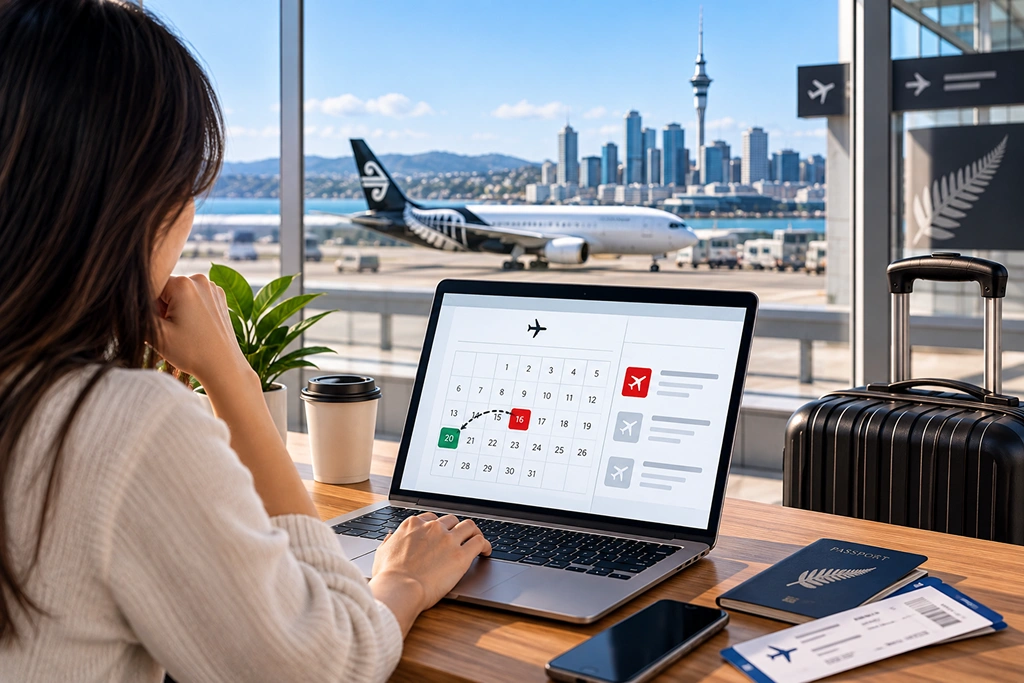
Plans change. A work commitment shifts, a family event moves, or you simply want a few extra days before flying home from overseas. Whatever the reason, one question comes up almost immediately: can you change your flight date after booking, and what’s it actually going to cost you? This NZ traveller’s guide answers that question properly; how flight changes generally work, what to expect fee-wise, and one detail international travellers need to check that most generic guides miss entirely. Can You Change Your Flight Date After Booking? Short answer: usually yes, but it depends entirely on the fare type you originally booked. Most fares fall somewhere between “fully flexible” and “no changes allowed at all,” and the difference between them can mean paying nothing or paying a substantial fee just to modify flight details on an existing booking. This is really the core of this NZ traveller’s guide on changing your flight date after booking, the rules aren’t universal, so understanding your specific fare conditions matters more than any general rule of thumb. How to Change My Flight: The General Process If you’re wondering how to change my flight after booking, the process typically follows a similar pattern regardless of where you booked: Locate your booking reference and check your fare conditions (usually in your confirmation email) Check whether your fare allows changes, and if so, whether there’s a fee attached Confirm seat availability on your preferred new date, a change request doesn’t guarantee the exact new date is available at the same fare Pay any change fee plus fare difference, if the new date is priced higher Receive updated confirmation with your new travel dates The tricky part is usually step 2 and step 3, working out what your fare actually allows and finding genuine availability on your new date without unexpectedly paying far more than your original ticket cost. Change Fee vs Fare Difference: What’s the Difference? This is one of the most important things to understand before changing your flight date. A flight change can involve both a change fee and a fare difference. The change fee is the amount the airline or booking provider charges for modifying your existing ticket. The fare difference is the difference between the price of your original flight and the price of the new flight. For example: Original ticket: NZ$900 Change fee: NZ$100 New flight: NZ$1,050 Fare difference: NZ$150 Total additional cost: NZ$250 So, even though your original ticket cost NZ$900, changing to the new flight could require an additional NZ$250. If the new flight is cheaper than your original booking, the outcome depends on the airline’s fare rules. You may receive a credit, refund, or no refund for the difference, depending on the conditions attached to your ticket. Always check the total cost of the change — not just the change fee — before confirming a new flight date. Understanding Fare Types Before You Modify Flight Details Not all tickets are created equal, and this is where most surprises happen. Here’s a general comparison of how fare types typically behave when you want to modify flight dates: Fare Type Change Allowed? Typical Change Fee Fare Difference Applies? Basic / Saver Rarely, or very limited High, sometimes close to ticket value Yes, in full Standard / Flexi-Saver Usually yes Moderate (roughly NZ$50–$150) Yes Fully Flexible Yes Often free or minimal Sometimes waived Premium / Business Yes Usually free or low fee Sometimes waived (These are general industry patterns, not universal rules, always check your specific fare conditions before assuming what applies to your ticket.) The Detail Most Guides Miss: Visa and Travel Authorisation Timing Here’s something that catches out a lot of first-time international travellers: a flight date change and a visa or travel authorisation date aren’t automatically the same thing. Many international destinations require either a visa or an electronic travel authorisation, and these are typically issued for a fixed validity window set at the time of approval, not tied to a specific flight date. Push your trip back a few weeks after already receiving an ETA, eVisa or similar authorisation, and there’s a chance your new travel dates fall outside the window that was actually approved. Before you modify flight dates on an international trip, it’s worth checking two things side by side: whether your fare allows a change, and separately, whether your visa or travel authorisation still covers your revised dates. These are two completely different sets of rules, issued by two different organisations, and assuming one automatically follows the other is exactly where travellers get caught out. Always confirm current requirements directly with the relevant destination’s official immigration authority rather than relying on your original approval date alone. Why Managing a Flight Booking Yourself Gets Complicated Technically, you can manage booking flight changes yourself directly, but in practice, this often means navigating fare rules, checking availability, and calculating fare differences without much guidance on which option is genuinely worth paying for. This is exactly the situation where booking through a travel agent, rather than doing it alone, tends to pay off. BookMyTrip’s team can help you understand your fare conditions before you commit to a date change, compare whether rebooking or absorbing a fee makes more financial sense, and help you understand the practical implications of changing your travel dates. Rather than manage booking flight changes solo through unfamiliar fare rules, having someone confirm the actual cost and impact before you commit removes a lot of the guesswork. What the Data Says About Flight Changes Industry booking data consistently shows that a meaningful share of leisure travellers end up adjusting their travel dates after booking, most commonly due to work commitments, family events, or simply securing a lower fare early and refining exact dates later. This is precisely why understanding your fare’s change conditions upfront, before you even need to modify flight dates, saves both time and money down the track. Quick Checklist Before Changing Your Flight Date Before changing your flight date, check: Changing your
Where to Travel in November 2026 from New Zealand

November is one of those rare months where half the world seems to hit its best weather window at once. If you’re wondering where to travel in November from New Zealand, you’re in luck; this month sits in a sweet spot on the travel calendar. Cooler and more comfortable in the Middle East, and springtime in South America. That combination usually means better weather, thinner crowds, and often better prices than you’d get in the summer peak. So instead of scrolling ten different sites, here’s one practical, no-jargon guide to the best overseas destinations in November for Kiwi travellers. Why November Works So Well for New Zealand Travellers November falls right after New Zealand’s own shoulder season kicks off, which means many Kiwis are already thinking about their next overseas trip before the summer rush at home. It’s also a genuinely good window globally: November is a good month to explore parts of Southeast Asia, although weather conditions vary by country and region. Thailand generally moves into its cooler, drier season, while Vietnam can still experience wet weather in central areas. The Middle East cools down from its brutal summer heat, making sightseeing far more pleasant. South America flips into spring, with mild temperatures and blooming cities. If you’re trying to figure out where to travel in November from New Zealand, these seasonal patterns are the best starting point, they show you where the weather is working in your favour, not against you. Southeast Asia: Better Weather in Many Regions By November, the rains have mostly cleared across Thailand and Vietnam, leaving the countryside at its most photogenic. Rice terraces in the northern hills of both countries are vivid green, and visibility is generally much better for sightseeing than during the wetter months. Cambodia’s temples of Angkor are also worth considering, cooler, drier air makes exploring the ruins far more comfortable than during the hot season. Flights from New Zealand to this region typically route through Australia or Singapore, so it’s worth comparing a few options before booking, since layover length can vary a lot between carriers. Bangkok: Cool Season Kicks Off Thailand’s capital shifts into its “cool season” right around November, marking the end of the rains. Days are pleasant enough for temple-hopping and wandering through the Grand Palace grounds, while evenings are ideal for the open-air night markets Bangkok is famous for. It’s a strong pick if you want a mix of culture, food, and city energy without the heavy humidity of earlier months. Dubai: One of the Best Times of Year to Visit Dubai is widely considered one of its most comfortable months, with lower humidity and cooler temperatures making outdoor sightseeing (and beach time) far more enjoyable. If your dates line up, Dubai also hosts Dubai Design Week this month, with exhibitions and events across the city. For New Zealanders, it’s often used as a stopover en route to Europe, which can make a multi-stop itinerary genuinely worthwhile rather than just a long layover. South America: Spring Without the Summer Crowds November marks spring in the Southern Hemisphere, bringing mild and increasingly pleasant conditions to Argentina and Chile before the peak summer season. Buenos Aires is particularly appealing at this time of year, with jacaranda trees in bloom and comfortable conditions for sightseeing. It can also be a good time to explore Patagonia, although weather conditions can vary by location and should be checked before planning outdoor activities. Antarctica: The Expedition Season Begins If you’re after something further off the beaten path, November marks the start of the Antarctic expedition cruise season, as warming temperatures allow ships to begin navigating toward the Antarctic Peninsula. It’s a niche trip, but one worth knowing about if a bucket-list adventure is on your radar. Comparison Table: November Destination Snapshot Destination Why November Works Trip Style Typical Flight Route from NZ Thailand Cool season begins, with generally more comfortable conditions across many northern, central and Andaman-coast destinations. Culture, beaches, food, nature Via Australia or Singapore Vietnam – North Generally comfortable temperatures and favourable conditions for exploring cities and landscapes. Culture, food, history, nature Via Singapore, Malaysia or Australia Vietnam – Central Can still experience wet weather and heavy rainfall, so check local conditions before planning. Culture, heritage, food Via Singapore, Malaysia or Australia Vietnam – South Warm weather with different rainfall patterns from northern and central Vietnam. Beaches, food, cities, culture Via Singapore, Malaysia or Australia Cambodia (Angkor) Cooler, drier conditions for temple visits History, sightseeing Via Bangkok or Singapore Dubai Cooler, less humid weather and a range of seasonal events City break, stopover, beach Usually 1–2 connections via Australia, Asia or another major hub Buenos Aires Spring blooms, mild weather, fewer crowds City break Via the US or a hub city Patagonia (Chile/Argentina) Mild spring conditions for hiking Outdoor adventure Via Santiago or Buenos Aires Antarctica Start of expedition cruise season Bucket-list expedition Via Argentina or Chile A Few Honest Trade-Offs No destination is perfect for everyone: Southeast Asia can still see occasional showers post-monsoon; pack accordingly. Dubai’s pleasant weather makes it a popular month, so accommodation can book out early. Patagonia’s spring weather is mild but changeable; layers are essential. Antarctica trips are a big investment of time and budget, with limited cabin availability given the short season. Weighing these against your own travel style is the fastest way to answer where to travel in November from New Zealand for your specific trip. How to Plan It from Here Once you’ve narrowed down your best overseas destinations in November, the next step is comparing flight options rather than booking the first price you see. Routes, layover times, and fares can vary significantly between airlines and stopover cities, especially from New Zealand where most long-haul routes involve at least one connection. This is where BookMyTrip comes in, we help New Zealand travellers compare flight deals and find the right fare for wherever November takes them, so the planning part stays simple. What New Zealand Travellers Should Consider When planning a November trip from New Zealand, compare more than just the airfare. Auckland usually has more international options, while Christchurch and Wellington may require additional connections. Check connection times, total journey duration, baggage allowances and overnight layovers before booking. Many routes connect through Australia or Asia, so compare the complete itinerary. Also check transit visa requirements for every country on your route. If you have a long layover, consider whether a stopover could make the journey more worthwhile. FAQs Is November a good time to travel from New Zealand? Yes, generally. It aligns with shoulder